Why Some Cotton Shirts Stay Sharp All Day
Two shirts can be woven from chemically identical cotton and behave completely differently after a working day. One comes out of the wash largely smooth, holds its collar shape and keeps a soft, fluid hand. The other creases immediately, loses its lustre after a few months and needs heavy pressing. The difference frequently comes down to finishing — and liquid ammonia is the most consequential finishing technology in premium cotton shirting.
What Liquid Ammonia Finishing Does
Liquid ammonia is applied to cotton fabric under tension at low temperature. Ammonia molecules penetrate the cotton fibre more effectively than water-based treatments, temporarily swelling the fibre and allowing the internal polymer structure to reorganise. When the ammonia is removed and the fabric is dried under controlled tension, the fibre settles into a more relaxed, more stable configuration.
The result is a fabric that is measurably different from conventionally mercerised cotton in several ways.
Improved lustre and depth of colour
The reoriented fibre surface reflects light more evenly, which gives the cloth a deeper, more refined sheen. Dark and saturated corporate colours in particular look richer and less flat.
Softer, more fluid hand
The relaxed fibre structure reduces the stiffness that often comes with high-density cotton. Shirts feel broken-in from the first wear rather than requiring a dozen laundries to soften.
Better dimensional stability
Because internal stresses are released during finishing, the fabric shrinks less in subsequent laundering. For uniform programs this matters enormously: lower residual shrinkage means the size curve stays accurate across the contract life, and fewer garments are returned.
Improved wrinkle recovery
Liquid ammonia treatment is frequently combined with easy-care or durable-press resin finishing. The ammonia pre-treatment improves the fibre's receptivity so the subsequent finish performs better, producing a garment that resists creasing through a full working day and releases wrinkles in the wash.
Liquid Ammonia Versus Conventional Mercerising
| Property | Caustic mercerising | Liquid ammonia |
|---|---|---|
| Lustre | Good | Excellent, deeper |
| Hand feel | Firm, crisp | Soft, fluid |
| Dimensional stability | Moderate | High |
| Wrinkle recovery with resin | Good | Excellent |
| Strength retention | Good | Good to excellent |
| Relative cost | Lower | Higher |
Where It Makes Commercial Sense
Liquid ammonia finishing adds cost, so it is not the right answer for every program. It earns its place when:
- Staff are expected to maintain a consistently sharp, formal appearance in front of clients.
- Garments are laundered frequently, making shrinkage and colour retention commercially significant.
- The uniform is a visible brand asset — hospitality, aviation, banking, premium retail and executive lines.
- Reducing employee ironing time has real value, which is often the case in office environments.
For high-abrasion industrial or workshop uniforms, an easy-care finish on a durable plain-weave or twill construction is usually a better use of budget than a premium ammonia-finished cloth.
What to Verify Before You Buy
- Ask whether ammonia finishing is actually used, or whether the fabric is only caustic mercerised. The two are frequently marketed with the same vocabulary.
- Request shrinkage data from laundering tests, not from lab prediction. Look for warp and weft figures after three to five home or industrial wash cycles.
- Check the wash-care claim against the finish. A "non-iron" claim should be supported by a durable-press performance test, not just a label.
- Wear-test a sample shirt. Two weeks of real use tells you more about crease recovery than any specification sheet.
- Seal the approved sample. Finishing performance drifts more easily than weave construction, so the physical reference matters.
A Note on Care
Even the best easy-care finishing has limits. Overloading a washing machine, using excessive heat in tumble drying, or pressing with a very hot iron will degrade resin finishes and dull the ammonia lustre. Provide staff with clear care instructions and the finish will hold for the life of the garment.
Talk to the Mill
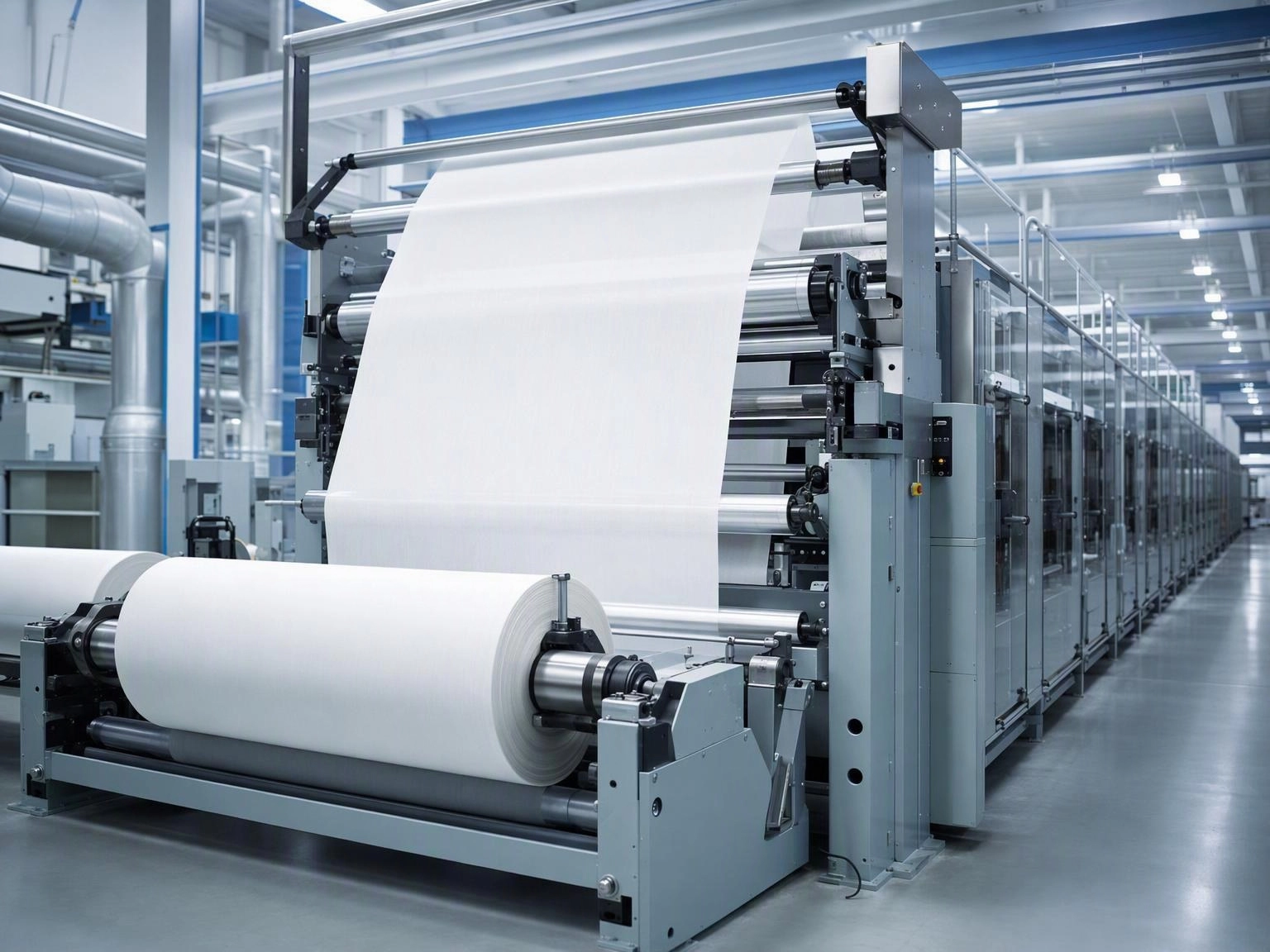
Guangdong Fuxin Textile Technology Co., Ltd. runs an integrated dyeing and finishing line covering singeing, desizing, boiling and bleaching, mercerising, setting, retort steaming, calendering and preshrinking. That integration lets us control the finishing route from the fibre up, and supply the wash and shrink test data that a uniform specification demands. Contact our technical team with your fabric brief and we will propose a finishing route with supporting samples.